Applications
Automatic cartoning: what it handles and what it does not
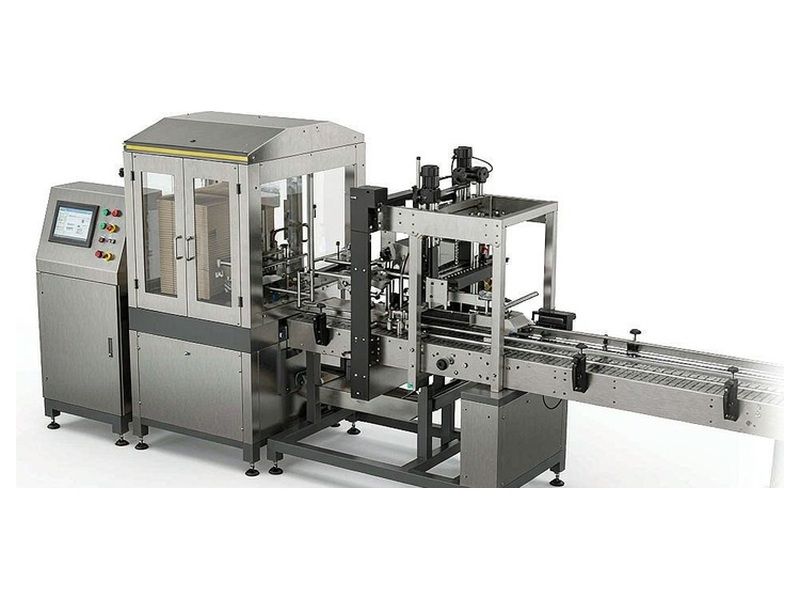
A cartoner erects a flat carton, loads the product and closes the flaps. It is secondary packaging, so the product must already be a stable, countable item before it reaches the machine.
Cartoning questions
Horizontal or vertical cartoner?
Horizontal cartoners load from the side and dominate retail cartons. Vertical cartoners load from the top and suit sachets, tubes and products that need a bottom lock. Most food and pharma projects start horizontal.
Tuck end, glue or lock bottom?
Tuck end needs no glue and reopens, which suits pharma and cosmetics. Hot-melt glue gives a tamper-evident seal for food. A lock bottom carries more weight at the base. The carton style usually decides the machine, not the other way round.
What output can I expect?
30 to 120 cartons per minute on the PW-120 platform, depending on carton size, leaflet insertion and product feeding. Leaflets and small cartons are the two factors that pull the real rate below the catalogue figure.
Compare the three closing styles in detail: double tuck, hot melt glue and bottom lock. For the wider line, see when to automate packaging.
Send your product details for a configuration →