Frozen and chilled food
Ready meals, frozen snacks and bakery items need a carton that survives condensation. Hot melt holds on coated board where tuck flaps would spring open, and the seal stays closed through the cold chain.
 Foshan Popper Machinery Co., Ltd.
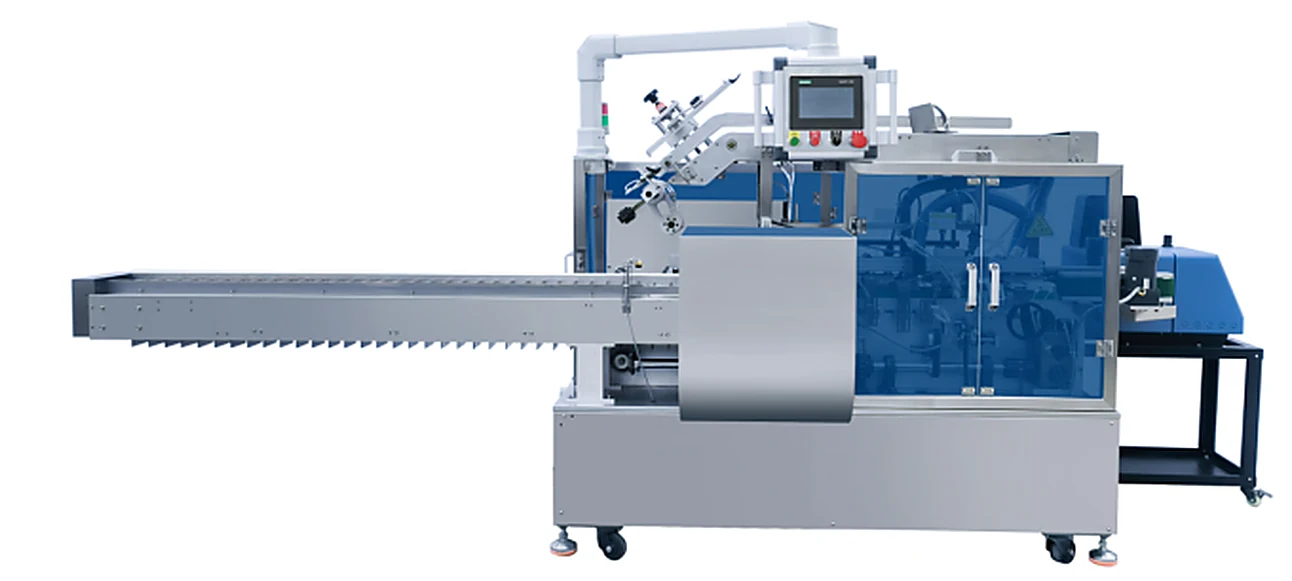
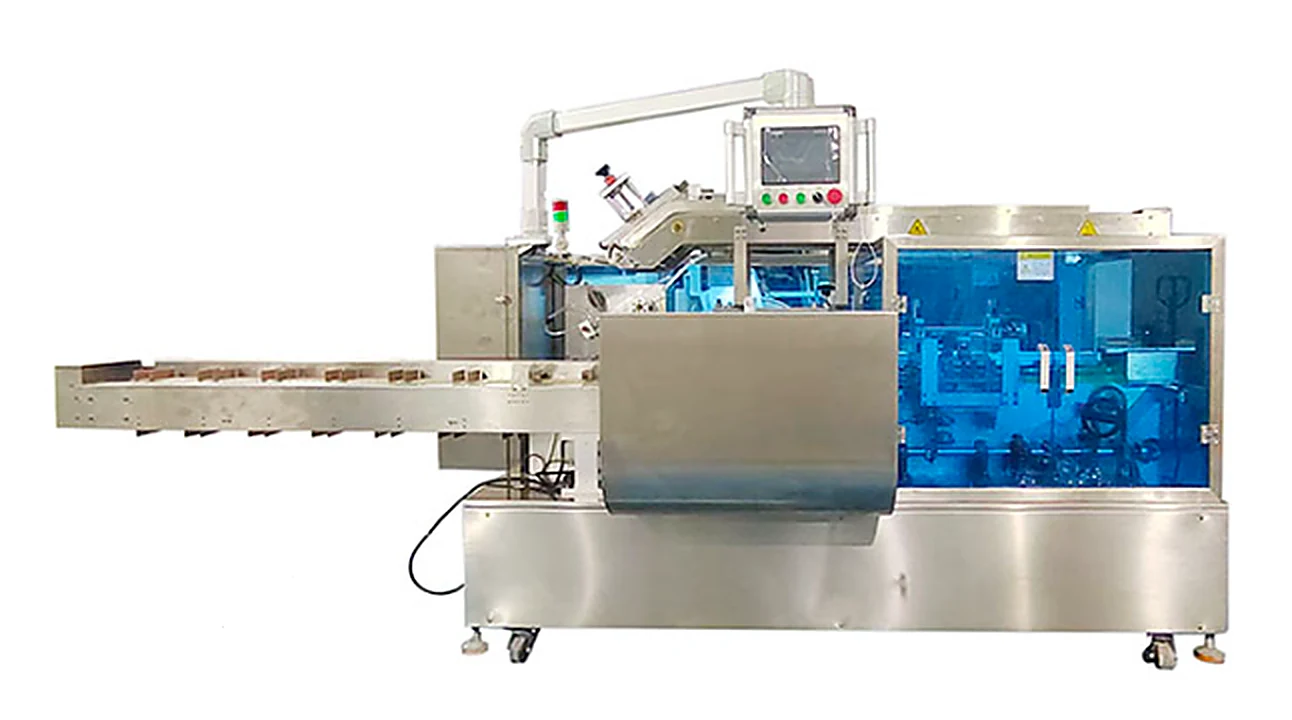
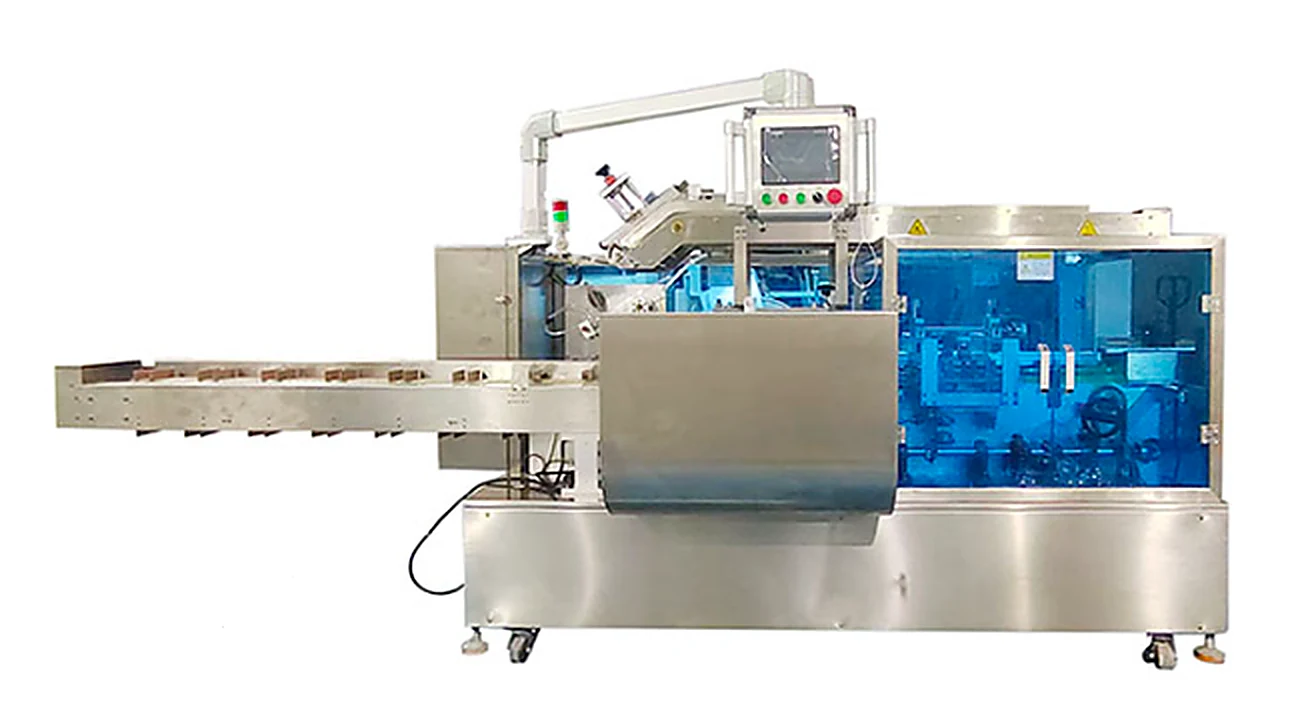
A fully automatic cartoner that seals cartons with hot-melt glue instead of tucked flaps. The glued seam gives a cleaner, tamper-evident finish, preferred for premium retail packaging and export shipments.
| Model | PW-120G / PW-120G-H (high speed) |
|---|---|
| Cartoning speed | 30–100 cartons/min |
| Carton style | Glue-sealed (hot-melt) |
| Carton size (L×W×H) | 70–220 × 40–130 × 15–100 mm |
| Gluing system | Hot-melt glue gun, temperature controlled |
| Product feeding | Automatic belt / bowl / manual |
| Leaflet inserting | 1–4 folds, optional |
| Control system | PLC + touch screen, multi-language |
| Safety | Guarding, overload protection, auto rejection |
| Optional devices | Date coder, barcode reader, weight checker |
* Specifications are illustrative. Final configuration is confirmed based on your product sample and carton size.
Suited to products that need a rigid, tamper-evident carton:
Close-up views captured directly from the running machine video.
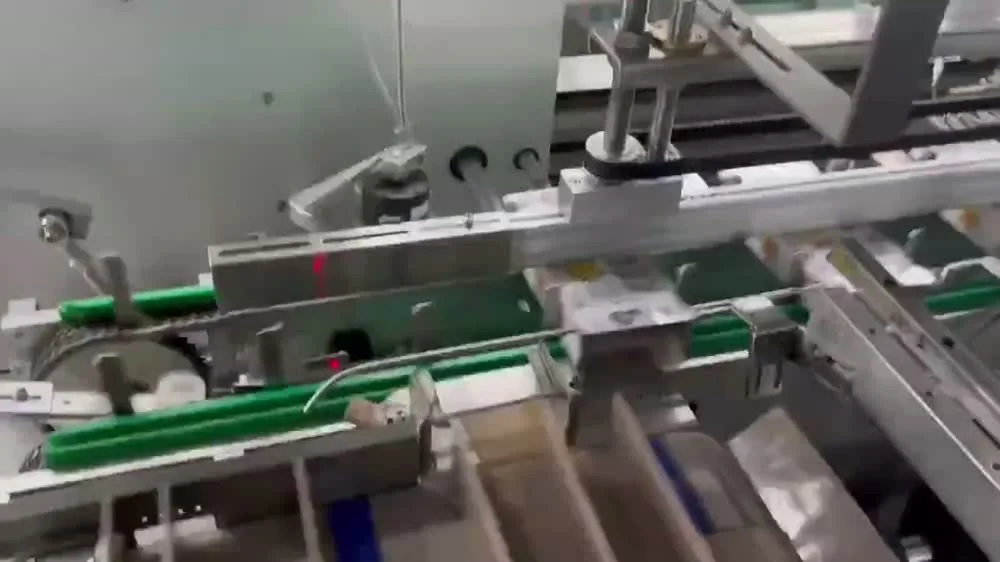
Blanks opened by the feeder.
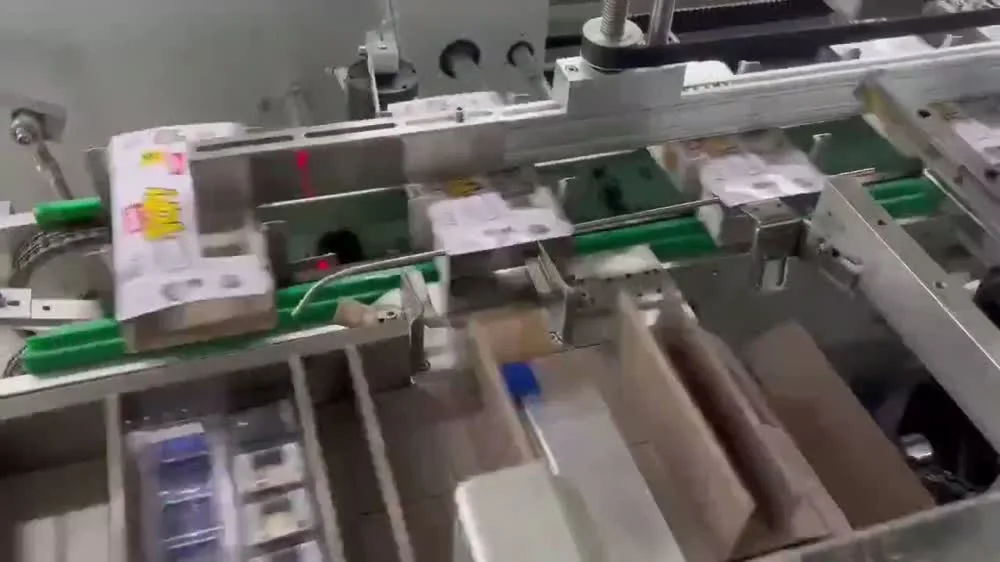
Products inserted into cartons.
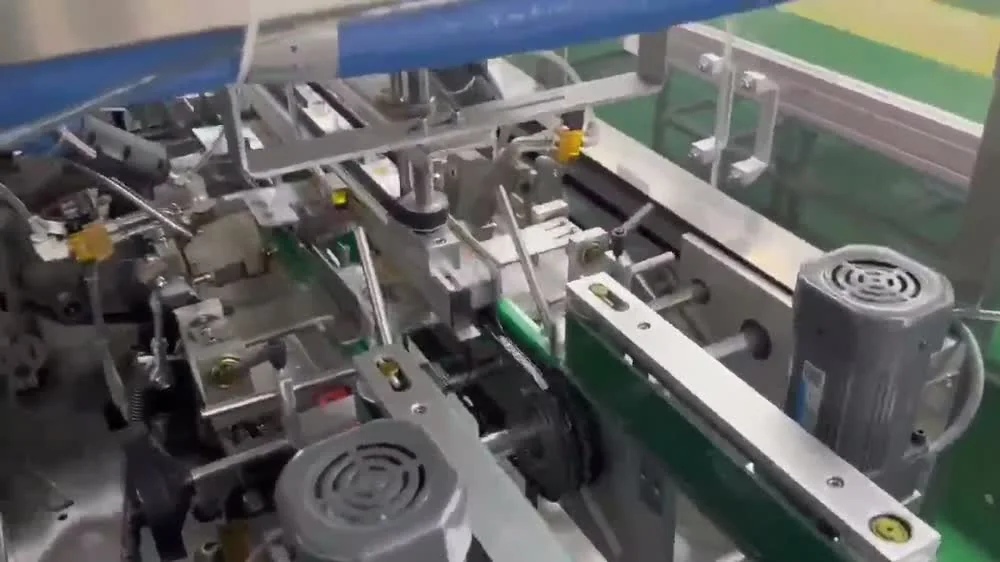
Adhesive applied for a rigid seal.
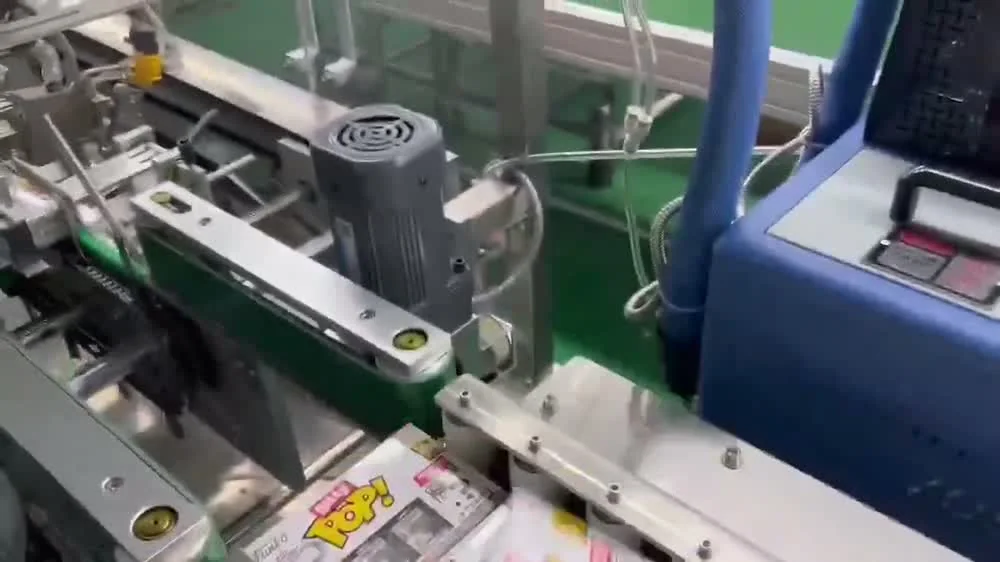
Tamper-evident cartons output.
Watch the machine feeding, forming and sealing cartons on a real production line.
Real production footage · 48s · No audio
Browse all cartoning and case-packing running videos in one place.
A glue cartoner seals the carton with hot-melt adhesive instead of folded flaps. The pack cannot be opened without visible damage, which is why food, frozen and subscription products use it.
Ready meals, frozen snacks and bakery items need a carton that survives condensation. Hot melt holds on coated board where tuck flaps would spring open, and the seal stays closed through the cold chain.
Bag-in-box coffee, tea cartons and cereal run at 30 to 100 cartons per minute. Glue nozzles need a clean board surface, so dusty plants should add extraction near the glue station.
When the carton must show that it has been opened, glue sealing is the simple answer. It costs more per carton than tuck because of adhesive and heat, and it cannot be reclosed.
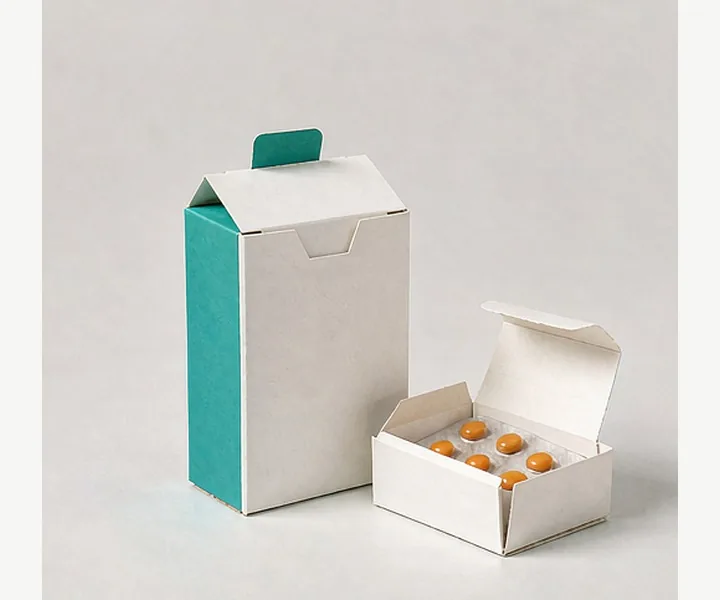
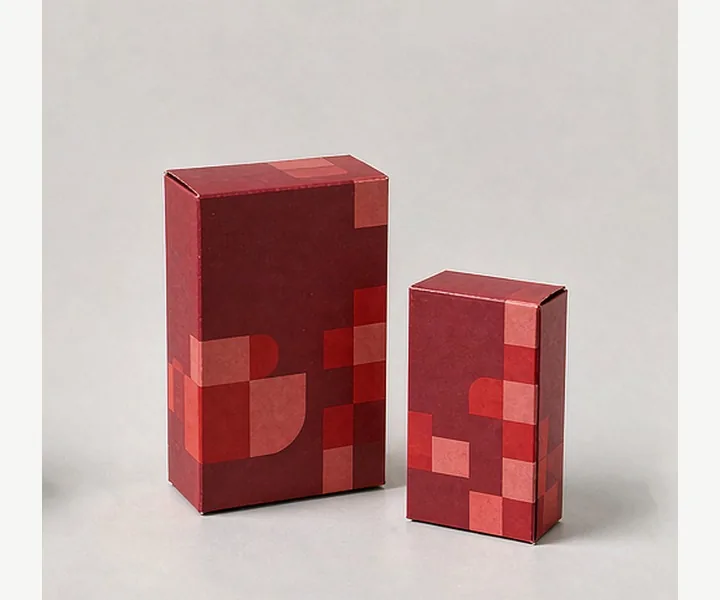
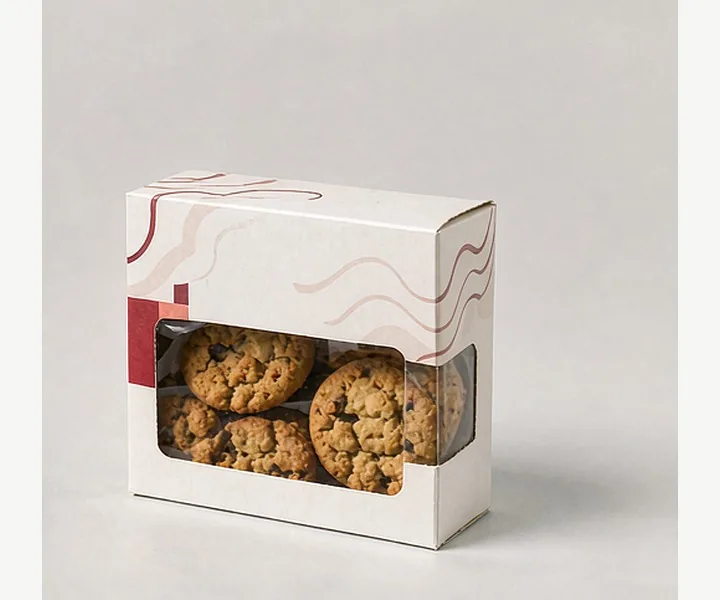
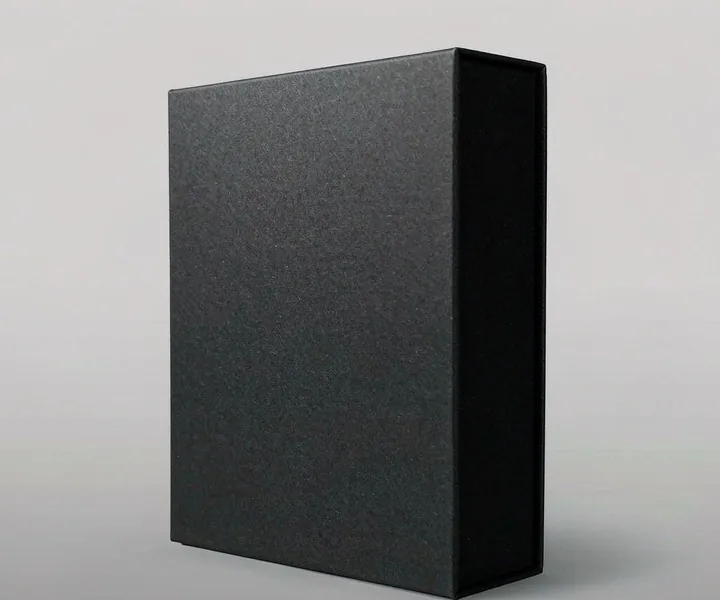
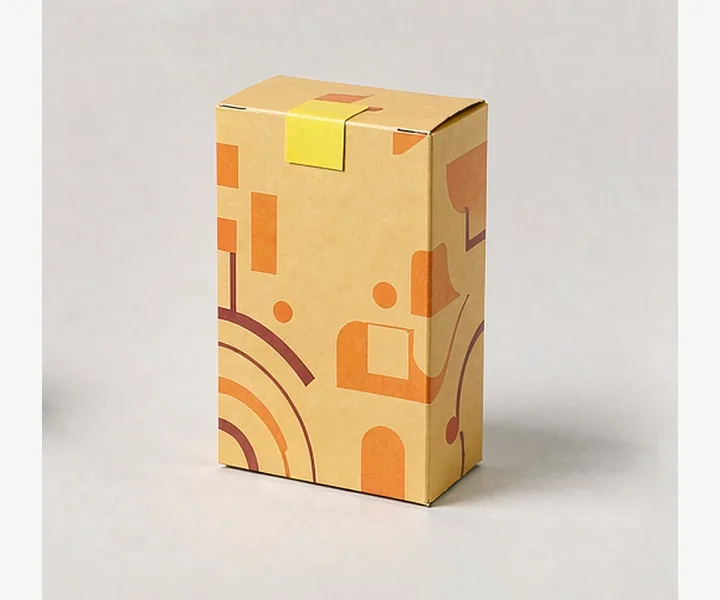
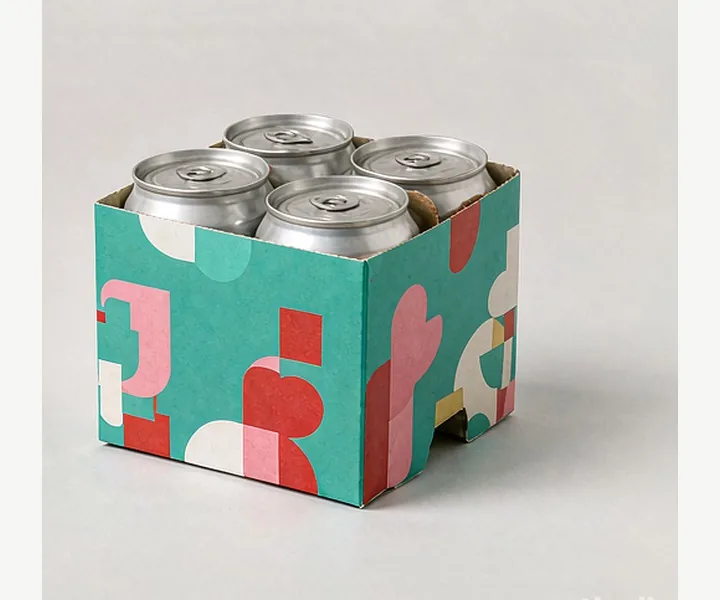
Pack styles below are format illustrations, not photos of packs off our machines. Film, product and tooling decide which formats a line can run.
Typically 0.1 to 0.3 g per carton across three or four beads, depending on board weight and carton size. A 5 kg melter usually covers a full shift on retail cartons.
Not usually. The closing section differs: tuck uses folding rails, glue uses nozzles and a compression section. Plan one machine per carton style unless volume justifies a convertible unit.
280 to 450 gsm folding boxboard is the normal range. Below 250 gsm the carton flexes under the glue beads; above 450 gsm you need a heavier frame and a lower speed.
The glue-free alternative is a double tuck cartoner. If the base has to carry a bottle or jar, look at the bottom lock model. For line-level decisions see automating a packaging line.
Tell us your product and carton size: we'll reply within 24 hours.